Notebook with Vintage Sewing Scissors: A Practical Guide to Customization and KDP Success
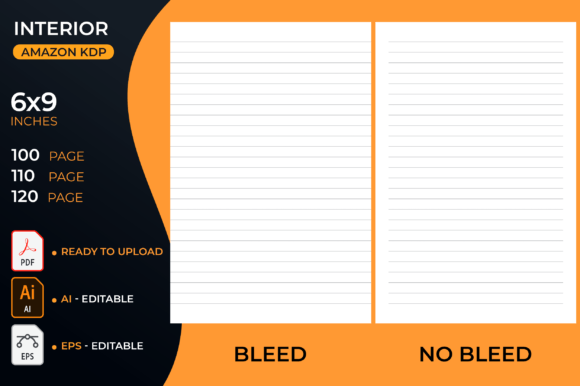
The aesthetic appeal of a Notebook with Vintage Sewing Scissors lies in its ability to evoke nostalgia while serving a functional purpose for modern creators. Whether you are a textile artist documenting patterns, a blogger planning content, or an entrepreneur launching a low-content book business, this specific design bridges the gap between antique charm and contemporary utility. However, acquiring a printable interior is only the first step. Many users overlook critical technical details regarding file preparation, customization rights, and platform compliance, leading to rejected uploads or unprofessional final products. Understanding how to properly leverage this 6x9 inch, 110-page resource ensures that your creative or commercial investment yields high-quality results without unnecessary friction.
Understanding the Asset and Its Intended Use
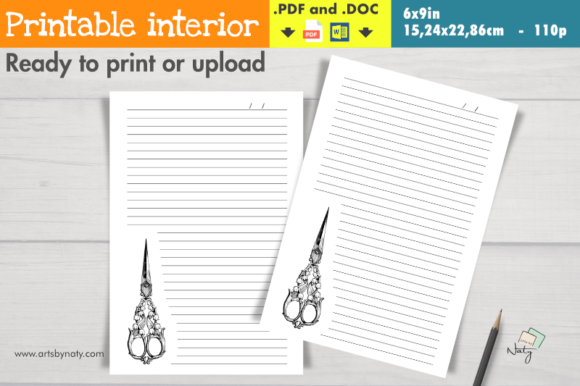
This product is not merely a digital image; it is a structured publishing asset designed specifically for print-on-demand platforms like Amazon KDP or for personal home printing. The pack includes two distinct file formats: a ready-to-print PDF and an editable DOC file. This distinction matters significantly. The PDF preserves the exact layout, margins, and vintage illustration placement, ensuring that what you see on screen matches the physical output. The DOC file exists solely for customization, allowing you to modify the "This notebook belongs to" page and the copyright notice.
A common misunderstanding arises when users attempt to edit the PDF directly or expect the DOC file to retain perfect formatting after extensive changes. Word processors often reflow text and shift images when margins are adjusted. If your goal is simply to add a name or update the year, use the DOC file sparingly. If your goal is to preserve the precise alignment of the vintage sewing scissors illustration and the line work, rely on the pre-formatted PDF. Recognizing which file serves which function prevents layout disasters that can render a 110-page interior unusable.
Overlooking Bleed and Margin Safety Zones
One of the most frequent errors in low-content book creation is ignoring trim size tolerances. Although this Notebook with Vintage Sewing Scissors is formatted for 6x9 inches, printers require safety margins. Content placed too close to the edge risks being trimmed off during binding. While the provided template should account for standard industry margins, user modifications in the DOC file can inadvertently push elements into the danger zone.
Before uploading or printing, always verify your gutter margin. For a 110-page book, the inner margin must be wider than the outer margin to accommodate the binding glue. If you have edited the ownership page or added introductory text, ensure that no part of the vintage illustration or new text sits within 0.375 inches of the spine side. Failing to check this results in a professional-looking cover paired with an interior where text disappears into the binding crease, significantly diminishing the perceived value of the notebook.
Customization Pitfalls and Copyright Clarity
The ability to edit the copyright page is a powerful feature, but it requires careful handling. A significant mistake occurs when users confuse "editable" with "unrestricted." You are permitted to claim copyright on your unique additions, such as a custom introduction, specific branding, or original content you insert. You cannot, however, claim exclusive copyright over the vintage sewing scissors illustration itself if it is based on public domain art or licensed non-exclusively to other sellers.
Misrepresenting authorship or claiming exclusive rights to generic vintage imagery can lead to intellectual property disputes or account flags on KDP. When editing the copyright page, clearly distinguish between your original contributions and the pre-existing template elements. A practical approach is to state: "Interior design and compilation © [Your Name/Brand]. Vintage illustrations used under license/public domain." This transparency protects your business and maintains ethical standards in the creator economy. Additionally, ensure you remove any placeholder instructions or template notes from the DOC file before converting to PDF for upload. Leaving "Insert Name Here" or "Edit This Page" in a published book is an avoidable error that signals poor quality control to buyers.
Evaluating Print Quality vs. Digital Preview
Vintage aesthetics often rely on subtle textures, shading, and fine lines that behave differently in ink versus pixels. A mistake many creators make is judging the Notebook with Vintage Sewing Scissors solely by its on-screen appearance. Standard KDP black-and-white interiors use laser printing technology, which can sometimes render delicate vintage engravings as muddy gray blobs or overly harsh black lines depending on the contrast settings.
To avoid disappointment, order a physical proof copy before listing the product for sale or committing to a large personal print run. Check specifically for the clarity of the scissor blades and any decorative filigree. If the details are lost, you may need to adjust the contrast in the source DOC file or select a premium color option if the design relies on sepia tones. Relying on digital proofs alone is insufficient for vintage artwork because screen backlights mask ink absorption issues that occur on matte paper stock.
Strategic Application for Different Audiences
The versatility of this notebook means it serves multiple demographics, but applying it incorrectly for your specific audience reduces its effectiveness. For sewists and quilters, the vintage scissors motif signals relevance, but they also require functional space. If you are marketing to this group, ensure the 110 pages provide adequate writing room. Adding excessive decorative borders inside the writing area might look pretty digitally but frustrates users who need maximum space for pattern notes or fabric swatches.
Conversely, if you are targeting gift buyers or stationery enthusiasts, the visual presentation takes precedence. In this case, the editable title page becomes crucial. Personalizing the "This notebook belongs to" section with elegant typography elevates the product from a generic commodity to a thoughtful gift. However, avoid using novelty fonts that clash with the vintage aesthetic. Pairing a Victorian-era scissor illustration with modern sans-serif type creates visual dissonance. Select serif or script typefaces that complement the era of the artwork to maintain cohesive design language.
Technical Checklist Before Upload
Efficiency in publishing comes from systematic verification rather than trial and error. Before finalizing your Notebook with Vintage Sewing Scissors, run through these essential checks:
- File Format Validation: Confirm you are uploading the flattened PDF, not the editable DOC, to prevent font substitution errors at the printer.
- Watermark Verification: Visually inspect every tenth page to confirm the absence of watermarks, as promised in the product description.
- Metadata Alignment: Ensure your KDP title and subtitle accurately reflect the interior. Calling it a "Sewing Planner" when the interior is lined notebook paper leads to negative reviews.
- Spine Calculation: Verify that 110 pages aligns with your selected paper type (white vs. cream) for accurate spine width if you are designing a matching cover.
- Edit Cleanup: Double-check that all template instructions have been deleted and replaced with your actual content.
Taking these preventative measures transforms a simple digital download into a polished, market-ready product. The Notebook with Vintage Sewing Scissors offers a beautiful foundation, but its success depends entirely on your attention to production details. By respecting the technical constraints of print, understanding the boundaries of customization, and tailoring the application to your specific audience, you ensure that the final physical book honors both the vintage aesthetic and the practical needs of the user. Quality is not accidental; it is the result of informed decisions made during the preparation phase.