KDP Interior Task Priority Design Guide
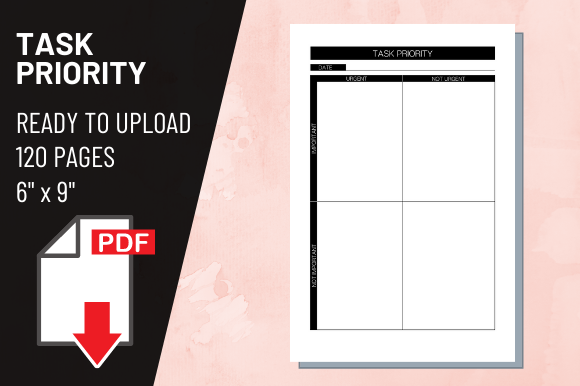
Elevating the functionality of a printed planner requires more than just blank lines; it demands a strategic approach to visual hierarchy and user experience. When designers integrate a well-structured KDP Interior Task Priority layout into their publishing workflow, they transform a simple notebook into a powerful productivity tool that guides the user’s eye and enhances daily organization. This specific design asset, formatted as a 6″ x 9″ PDF at 300 dpi with no bleed, serves as a foundational element for creators looking to deliver professional-grade print products without the technical friction often associated with self-publishing.
The Role of Visual Hierarchy in Productivity Tools
In graphic design and editorial layout, visual hierarchy dictates how information is perceived and processed. For task management resources, this principle is critical. A successful Task Priority KDP interior utilizes spacing, line weight, and typographic contrast to help users distinguish between urgent obligations and long-term goals instantly. Rather than presenting a monotonous list, effective design employs subtle cues that reduce cognitive load. This attention to detail mirrors best practices found in UI design and web design, where guiding user interaction is paramount. By applying these digital usability standards to print design, creators ensure their physical products feel modern, intuitive, and aligned with current design trends.
Technical Specifications for Professional Print Quality
Quality creative assets must be technically flawless to maintain brand integrity. This package provides a high-resolution foundation that meets rigorous printing standards:
- Dimensions: Standard 6″ x 9″ trim size, ideal for portable journals and planners.
- Resolution: 300 dpi PDF ensures crisp typography and sharp lines without pixelation.
- Page Count: 120 pages offering substantial content value for end-users.
- Bleed Settings: No bleed configuration simplifies the upload process and prevents margin errors.
These specifications are essential for maintaining a polished aesthetic. Low-resolution files or incorrect margins can undermine even the most beautiful branding efforts. Utilizing pre-formatted, high-quality assets allows designers to focus on cover art, marketing materials, and overall brand identity rather than troubleshooting technical file issues.
Applications Across Creative Projects
Versatile design elements extend beyond a single use case. While primarily intended for Amazon KDP publishing, the principles embedded in this interior layout support broader creative applications. Marketers and business owners can adapt similar visual structures for corporate stationery, client onboarding packets, or internal project tracking sheets. The clean, minimalist aesthetic aligns with modern branding strategies that prioritize clarity over clutter. Furthermore, social media graphics promoting these planners can extract visual motifs from the interior pages to create cohesive advertising campaigns. This consistency across digital marketing and physical products strengthens brand recognition and builds trust with potential customers.
Enhancing User Experience Through Thoughtful Layout
Great design solves problems. In the context of a task priority system, the layout must accommodate real-world usage patterns. Adequate white space prevents the page from feeling overwhelming, while consistent alignment creates a rhythm that makes writing enjoyable. Typography choices should balance personality with legibility; headers need to be distinct yet unobtrusive. When evaluating design assets for your next creative project, consider how the composition supports the end goal. Does the layout encourage engagement? Is the visual flow logical? These questions separate generic templates from premium design resources that truly add value to the user's life.
Strategic Integration into Design Workflows
Incorporating ready-made interiors does not replace creativity; it accelerates it. By securing a reliable base structure, graphic designers can allocate more time to customizing covers, developing unique color palettes, and refining the overall visual narrative. This efficiency is vital in competitive markets where speed-to-market matters. However, always evaluate assets against your specific audience expectations. A corporate executive may require a different visual tone than a student or artist. Ensure the selected KDP Interior Task Priority style complements your existing brand systems and communicates the intended message effectively.
Ultimately, the intersection of aesthetics and utility defines successful product design. Whether you are expanding a merchandise line, launching a new digital product suite, or refining your editorial design portfolio, prioritizing high-quality, functional layouts ensures your work resonates. Thoughtful design choices do more than please the eye; they facilitate better communication, improve user satisfaction, and establish a lasting professional impression in an increasingly visual marketplace.