KDP Interior Mental Health Journal: Streamlining Production and Personal Practice
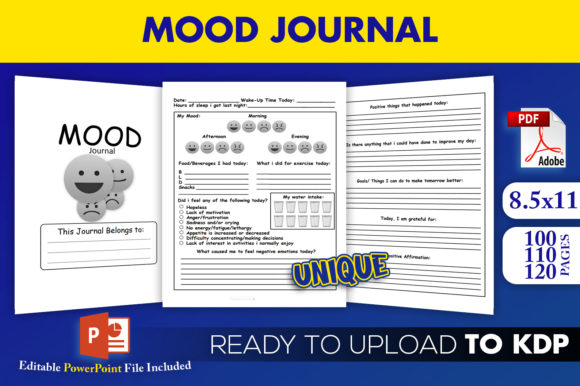
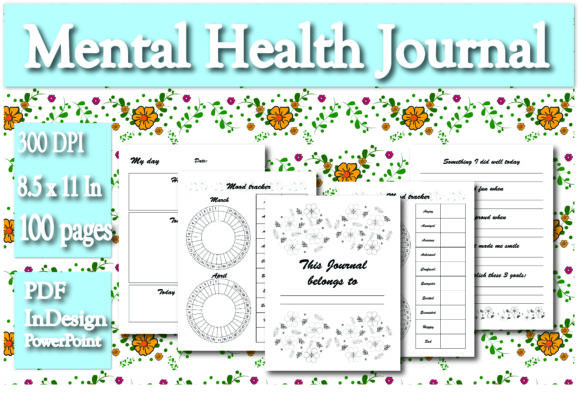
Creating a successful low-content or medium-content book on Amazon KDP requires balancing market demand with production efficiency. For publishers targeting the wellness niche, a pre-structured KDP Interior Mental Health Journal serves as both a viable commercial asset and a functional tool for personal organization. This specific 100-page template removes the initial design friction, allowing creators to focus on marketing strategy, keyword research, and brand differentiation rather than spending weeks formatting grids and lines. The interior is designed at the standard 8.5 x 11-inch trim size, which remains the most versatile format for journals intended for desk use, therapy sessions, or daily reflection.
Beyond its utility as a publishable product, this journal structure supports a practical workflow for mental health maintenance. Whether you are a freelancer managing burnout, an educator processing classroom stress, or an entrepreneur navigating decision fatigue, the included prompts facilitate cognitive offloading. By integrating this resource into your existing productivity stack, you bridge the gap between creative output and emotional sustainability. The availability of source files ensures that the tool adapts to your specific operational needs, whether those needs are commercial publication or private self-regulation.
Technical Assets and Workflow Integration
The value of this pack lies in its file versatility. Relying solely on a static PDF limits your ability to pivot based on niche research or personal preference. This package includes three distinct formats that serve different stages of the creation or usage process:
- InDesign File (.indd): This is the professional standard for layout editing. If you are preparing the journal for commercial release, InDesign allows for precise margin adjustments, font substitution, and master page modifications. It ensures that bleed settings and gutter margins meet KDP’s strict printing requirements without manual recalculation.
- PowerPoint File (.pptx): Not every creator has access to Adobe Creative Cloud. The PowerPoint version democratizes customization, allowing users to alter text, colors, and basic layout elements using familiar software. This is particularly useful for rapid prototyping or for individuals who want to personalize the journal for private use without learning complex design software.
- Print-Ready PDF: For immediate execution, the high-resolution PDF eliminates technical barriers. Publishers can upload this directly to KDP after a final quality check, while individual users can print it at home or via a local service for immediate physical use.
This multi-format approach reduces technical debt. You avoid the "blank canvas paralysis" that often stalls projects. Instead of building a mood tracker from scratch, you inherit a tested structure and modify it to fit your current objective. For publishers, this means faster time-to-market. For individuals, it means less time setting up a system and more time actually using it.
Anatomy of the Interior: Functional Prompts
A mental health journal fails if the prompts feel like busywork. The 100-page interior is engineered to encourage consistency through varied but structured engagement. Understanding how these sections function helps in both marketing the book effectively and utilizing it for genuine self-reflection.
Ownership and Intentionality
The “This Planner belongs to” page is more than a formality; it establishes psychological ownership. In a therapeutic context, naming the journal creates a safe container for thoughts. For KDP sellers, this page offers prime real estate for branding. Adding a website URL, social media handle, or QR code here turns the physical book into a lead generation tool, connecting offline readers to online communities or resources.
Longitudinal Tracking with Monthly Mood Tracker
Data-driven self-awareness is critical for identifying patterns. The Monthly Mood Tracker provides a visual heatmap of emotional states over time. For professionals and creatives, this correlates internal states with external outputs. You might notice that creative blocks consistently align with specific days of the month or project phases. When publishing, ensure this tracker has adequate contrast for grayscale printing, as visibility is key to user retention.
Daily Reflection Architecture
The core of the journal lies in the daily pages. These are not merely lined paper; they are scaffolded interventions designed to reduce cognitive load during stressful moments.
- My Day / How do I feel: This separates narrative events from emotional responses. It prevents rumination by forcing a distinction between what happened and how it was processed.
- Thoughts I have today: A dedicated space for cognitive dumping. This acts as a buffer, capturing intrusive or distracting thoughts so they can be addressed later, freeing up mental bandwidth for immediate tasks.
- I feel proud when: Positive reinforcement is often neglected in productivity systems. This prompt counters negativity bias, anchoring self-worth to tangible actions rather than abstract outcomes.
- Things that made me smile: Gratitude practice grounded in specificity. Unlike generic gratitude lists, focusing on "smiles" targets micro-moments of joy, which is more effective for nervous system regulation.
Commercial Implementation Strategy
For KDP publishers, this interior is a foundation, not a finished product. Success in the mental health niche requires differentiation. Use the editable InDesign or PowerPoint files to create unique value propositions. Consider adding niche-specific affirmations, resource pages for crisis hotlines, or specialized tracking for conditions like ADHD or anxiety. Changing fonts to improve accessibility or adjusting line spacing for handwriting comfort can significantly impact reviews and sales rank.
Quality control is non-negotiable. Before uploading the PDF, always order a proof copy. Check that the inner margins (gutter) accommodate the 100-page thickness without obscuring text. Verify that the mood tracker circles are large enough to color in comfortably. Ensure the paper weight (standard 55# cream or white) works well with the ink density of the design. A beautiful digital file that prints poorly will destroy brand reputation.
Keyword strategy should reflect the journal's actual utility. Rather than generic terms like "journal," target long-tail phrases related to the specific prompts included. Terms like "shadow work journal," "CBT daily log," "mindfulness planner for entrepreneurs," or "emotional regulation workbook" attract buyers looking for functional tools rather than blank notebooks. Align your backend keywords with the specific prompts found in the interior to maintain relevance and conversion rates.
Personal Application and Routine Integration
If you are using this journal for personal development rather than publication, integration into your existing workflow is essential for adherence. Treat the journal as a component of your operational system, not an optional add-on.
Morning Calibration: Use the "How do I feel" and "Thoughts I have today" sections during your morning planning session. This clears mental clutter before tackling deep work. Five minutes of writing can prevent hours of distracted procrastination.
End-of-Day Review: Utilize "I feel proud when" and "Things that made me smile" as part of a shutdown ritual. This signals to your brain that the workday is complete and transitions you into rest mode. For entrepreneurs and freelancers who struggle to disconnect, this structured closure is vital for preventing burnout.
Weekly Synthesis: Review the Monthly Mood Tracker weekly rather than monthly. Look for correlations between your schedule and your emotional state. If you consistently rate your mood lower on days with back-to-back meetings, adjust your calendar boundaries. The journal becomes a feedback mechanism for optimizing your professional environment.
Compatibility and Ecosystem Fit
This KDP Interior Mental Health Journal does not exist in isolation. It interacts with other tools and methodologies. For digital-first users, the physical journal complements apps like Notion or Trello. While digital tools manage tasks and projects, the analog journal manages the emotional substrate required to execute them. The tactile act of writing slows down processing speed, facilitating deeper insight than typing typically allows.
For therapists and coaches, this template can serve as homework or a between-session tool for clients. The editable nature allows practitioners to add their logo, contact information, or customized instructions. It bridges the gap between clinical sessions and daily life, providing continuity of care. Always include a disclaimer that the journal is a self-help tool and not a replacement for professional treatment, especially if selling commercially.
Educators and team leaders can adapt the prompts for group workshops or retreats. The "Things that made me smile" section works excellently as an icebreaker or team-building exercise when adapted for shared reflection. The flexibility of the PowerPoint file makes it easy to project specific pages during presentations or print handouts for participants.
Sustainability and Long-Term Use
Consistency matters more than perfection. The 100-page length is intentional; it represents approximately three months of daily use, which aligns with habit formation research. It is long enough to establish a routine but short enough to avoid intimidation. When one journal fills up, the transition to the next volume should be seamless. Maintain the same format to reduce friction, or use the editable files to evolve the prompts as your needs change.
For publishers, consider creating a series. Volume 1 might focus on general mental health, while subsequent volumes target specific demographics or seasons. This builds a catalog and encourages repeat purchases. For individual users, archiving completed journals creates a longitudinal record of personal growth. Revisiting past entries provides perspective during difficult periods, reinforcing resilience through documented evidence of previous challenges overcome.
Ultimately, whether used as a revenue stream or a personal sanctuary, this KDP Interior Mental Health Journal prioritizes function over form. It provides the necessary structure to support mental clarity without demanding excessive setup time. By leveraging the included source files and understanding the intent behind each prompt, users can transform a simple PDF into a powerful engine for organization, reflection, and sustainable productivity.