KDP Interior Aquarium Log Book: A Practical Resource for Publishers and Hobbyists
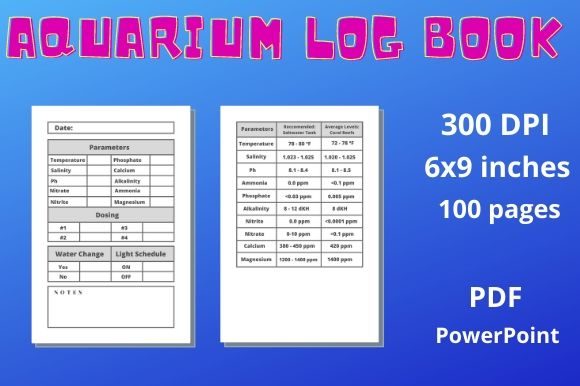
Managing an aquarium requires consistent tracking, whether you are maintaining a single betta tank at home or running a commercial aquaculture operation. The KDP Interior Aquarium Log Book provides a structured, ready-to-upload solution designed specifically for self-publishers and content creators in the pet niche. This digital asset is not merely a collection of blank pages; it is a functional tool formatted to meet Amazon’s strict printing specifications while serving a genuine need for fish keepers who want to monitor water parameters, feeding schedules, and livestock health over time.
For entrepreneurs and freelancers looking to expand their low-content publishing portfolio, this interior eliminates the most time-consuming phase of book creation. Instead of spending dozens of hours designing tables and formatting margins, you receive a 100-page, 6″ x 9″ PDF file at 300 dpi that is immediately usable. However, the true value lies in understanding how end-users interact with this type of logbook in real-world scenarios. By recognizing these applications, publishers can better market their books, and hobbyists can understand why a dedicated physical log often outperforms digital alternatives for long-term tank management.
Real-World Applications for Fish Keepers and Breeders
The primary audience for an aquarium log book includes serious hobbyists who have moved beyond casual fish keeping into breeding, planted tanks, or sensitive marine environments. In these situations, memory is insufficient. A breeder raising angelfish fry needs to track daily water changes and specific food types to correlate growth rates with environmental conditions. When using the KDP Interior Aquarium Log Book, these users benefit from pre-formatted sections that prompt them to record essential data points like pH, ammonia, nitrite, and nitrate levels without having to draw charts from scratch.
Consider the scenario of a reef tank owner dealing with persistent algae issues. Troubleshooting requires looking back at trends over several weeks rather than isolated incidents. A physical logbook allows them to flip through past entries quickly during maintenance, spotting patterns that might be missed in a fragmented notes app on a phone. The 6″ x 9″ trim size is particularly relevant here because it fits easily on a shelf next to tank equipment or inside a cabinet door, making it accessible exactly when hands are wet and dirty. Unlike a tablet or laptop, a printed log does not risk water damage or require unlocking a screen with damp fingers.
Educational and Professional Use Cases
Beyond personal hobbyists, educators and small business owners find distinct utility in standardized logging formats. Science teachers running classroom aquariums use logbooks to teach students the scientific method and responsibility. Having a uniform interior means every student records data in the same format, making grading and project assessment straightforward. The structured layout guides younger learners on what variables matter in aquatic ecosystems, turning routine maintenance into an active learning exercise.
Professional aquarium maintenance services also rely on consistent documentation to protect their business and serve clients. When a technician visits a client’s home or office to service a tank, leaving behind a handwritten record of what was tested, cleaned, and treated builds trust. It provides a tangible history that stays with the tank even if the service provider changes. For these professionals, purchasing a pre-made KDP Interior Aquarium Log Book to brand as their own company workbook saves significant overhead costs compared to custom printing, while ensuring they always have professional-grade materials on hand.
Strategic Considerations for KDP Publishers
If you are a creator or marketer evaluating this resource for publication, understanding the technical specifications is just the starting point. The 300 dpi resolution ensures that lines and text remain crisp after printing, which is non-negotiable for a workbook where users need to write in small spaces. Blurry or pixelated interiors lead to negative reviews and returns. The included PowerPoint source file adds a layer of flexibility that static PDFs cannot offer. This allows you to modify headers, add your own branding, adjust column widths, or translate content for different markets before uploading.
However, successful publishing requires more than just uploading a file. You must consider how this specific interior fits into current market demand. Generic "fish logs" face high competition. To stand out, think about how the 100-page count aligns with user behavior. One hundred pages typically covers three to six months of regular maintenance depending on entry frequency. This makes it an ideal consumable product that encourages repeat purchases. Publishers should highlight this longevity in their descriptions, positioning the book as a semi-annual journal rather than a one-time purchase.
Customization and Niche Targeting
The versatility of the PowerPoint file enables creators to pivot toward underserved sub-niches. While the base KDP Interior Aquarium Log Book works for general freshwater tanks, slight modifications can create specialized products. Adding specific columns for salinity and calcium makes it suitable for marine enthusiasts. Including plant species tracking and CO2 injection logs targets the aquascaping community. Creating a simplified version with larger print and fewer metrics serves senior hobbyists or children. This adaptability transforms a single asset into multiple revenue streams, each targeting a distinct segment of the aquarium hobby with tailored messaging.
Creators should also evaluate the binding implications of the 6″ x 9″ size. This trim is popular because it balances portability with writing space, but it also affects perceived value. Ensure your cover design complements the interior's utility. A logbook marketed as a "premium maintenance journal" needs a cover that signals durability and organization, not just decorative fish clip art. The alignment between exterior promise and interior functionality drives customer satisfaction and organic ranking through positive engagement signals.
Making the Right Choice for Your Needs
Before downloading or purchasing, assess whether the predefined structure matches your intended workflow. Some aquarists prefer free-form journaling and may find tabular logs restrictive. Others thrive on structure and will appreciate the guided format. Review sample pages carefully to verify that the fields included match the parameters you actually test. There is no point in buying a logbook with extensive plant fertilizer trackers if you maintain a cichlid tank with plastic decorations. Alignment between features and actual usage prevents buyer remorse and wasted resources.
For publishers, evaluate the licensing terms and competitive landscape. Verify that the license permits commercial use on KDP and check whether the seller offers exclusivity or if the same interior is widely available. If the interior is non-exclusive, your success depends entirely on your ability to differentiate through cover design, keyword research, and marketing copy. Understand that the KDP Interior Aquarium Log Book is a foundation, not a guaranteed bestseller. Its value comes from saving production time so you can focus on market research, audience building, and creating complementary products that serve the aquarium community authentically.
Ultimately, this resource bridges the gap between technical specification and practical application. Whether you are a hobbyist seeking better tank stability through disciplined record-keeping or a publisher building a niche catalog, success comes from respecting the specific needs of the end-user. The aquarium hobby is driven by passion and precision; any tool introduced into that ecosystem must honor both. By focusing on real outcomes—healthier fish, better data, streamlined workflows, and efficient publishing—you ensure that the logbook serves its purpose effectively in the hands of those who need it most.