Evaluating the KDP Interior Mail Tracker for Low-Content Publishing
Selecting the right interior template is a foundational step in creating successful low-content books on Amazon KDP. For publishers focusing on logistics, organization, or niche utility journals, the KDP Interior Mail Tracker represents a specific functional solution. This pre-formatted interior is designed to streamline the creation process for mail logging and tracking books. Understanding the technical specifications, practical applications, and strategic fit of this 6″ x 9″ PDF resource is essential for determining whether it aligns with your current publishing portfolio or business objectives.
Defining the KDP Interior Mail Tracker Resource
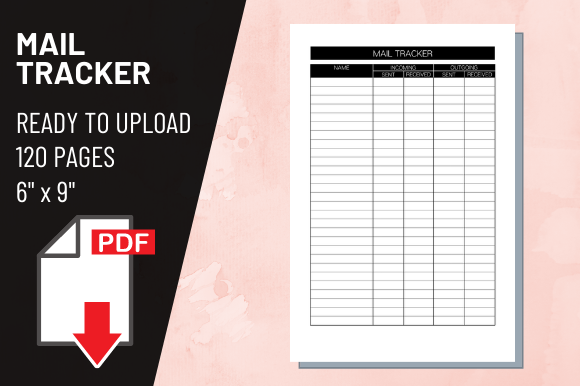
The KDP Interior Mail Tracker is a digital asset specifically engineered for print-on-demand publishing. It serves as a ready-to-upload manuscript file that eliminates the need for custom graphic design or formatting. The package consists of a high-resolution PDF file optimized for Amazon’s printing standards. Key technical specifications define its usability and quality:
- Trim Size: 6″ x 9″, which is the industry standard for portable journals and logbooks.
- Page Count: 120 pages, providing substantial content value without excessive spine width.
- Resolution: 300 DPI (dots per inch), ensuring crisp lines and legible text upon physical printing.
- Bleed Settings: No bleed configuration, meaning all content is contained within safe margins.
- Format: Print-ready PDF compatible with KDP upload requirements.
This specification set indicates a product designed for immediate deployment. Unlike raw templates that require assembly in software like Adobe InDesign or Canva, this mail tracker KDP interior arrives as a finished manuscript. The "no bleed" setting is particularly significant for evaluation; it reduces the risk of formatting errors during the upload process, as critical content does not extend to the page edge. This makes the file highly accessible for publishers who may lack advanced technical formatting skills but still require professional output quality.
Strategic Reasons for Adoption
Publishers typically evaluate the KDP Interior Mail Tracker when seeking to balance production efficiency with niche relevance. Several factors drive interest in this specific type of interior:
Niche Utility and Functionality
Mail tracking logs serve distinct user bases, including small business owners managing shipping departments, individuals organizing personal correspondence, or collectors cataloging philatelic items. By utilizing a specialized interior rather than a generic lined notebook, publishers can target long-tail keywords more effectively. The structured layout inherent in a mail tracker signals relevance to both the Amazon algorithm and potential buyers searching for specific organizational tools.
Production Velocity
In low-content publishing, speed to market is often a competitive advantage. Creating a 120-page logbook from scratch involves designing headers, setting consistent margins, duplicating pages, and exporting at correct resolutions. The KDP Interior Mail Tracker compresses this timeline significantly. For publishers testing multiple niches simultaneously, this resource allows for rapid iteration and validation without heavy upfront time investment.
Quality Assurance
The 300 DPI specification addresses a common pain point in self-publishing: blurry interiors. Low-resolution files often result in pixelated lines and fuzzy text, leading to negative reviews and returns. Sourcing a verified high-quality PDF mitigates this risk. When evaluating any pre-made interior, confirming the resolution is non-negotiable, and this package meets the threshold for professional print clarity.
Benefits, Tradeoffs, and Expectations
An objective assessment requires weighing the advantages against inherent limitations. While the KDP Interior Mail Tracker offers convenience, it also imposes constraints that must align with your strategy.
Primary Benefits
The most immediate benefit is technical compliance. Amazon KDP has strict guidelines regarding margins, bleed, and resolution. A pre-vetted 6″ x 9″ no-bleed PDF removes the guesswork from compliance checking. Additionally, the 120-page count hits a sweet spot for perceived value; it is thick enough to justify a reasonable price point but thin enough to keep printing costs low, potentially preserving royalty margins. The portability of the 6x9 trim size also enhances user experience, making the physical book easy to carry and store.
Critical Tradeoffs
The primary tradeoff is differentiation. Because this is a pre-made package, other publishers may have access to identical or similar layouts. If the interior lacks unique branding elements or customizable sections, the resulting book may struggle to stand out in search results. Furthermore, the "no bleed" design, while safer for uploading, limits aesthetic flexibility. Designs cannot stretch to the edge of the page, which some buyers associate with premium quality. Publishers must accept a cleaner, more conservative look in exchange for formatting security.
Setting Realistic Expectations
Users should expect a functional, clean, and compliant interior—not a bespoke design masterpiece. This resource is a foundation, not necessarily a complete product. Success will likely depend on how well the cover design and metadata complement the interior, rather than the interior alone driving sales. Expect the file to be technically sound, but recognize that marketing and keyword research remain the publisher's responsibility.
Situational Fit: When to Choose This Interior
Determining whether the KDP Interior Mail Tracker is the right choice depends on your current operational context and goals.
Strong Fit Scenarios
- New Publishers: Those unfamiliar with KDP margin requirements or bleed settings will benefit from the safety of a no-bleed, pre-formatted file.
- Niche Testers: Publishers validating demand for shipping logs, postal records, or correspondence trackers can use this to launch quickly with minimal sunk cost.
- Volume Publishers: Creators managing large portfolios who need standardized, reliable interiors to maintain consistent output schedules.
- Non-Designers: Individuals with strong keyword research skills but limited graphic design capabilities can leverage this to produce professional-grade books.
When Alternatives Are Preferable
- Brand Builders: If you are establishing a recognizable series with proprietary layouts, a generic pre-made interior may dilute brand identity. Custom design is preferable here.
- Premium Segment Targeting: Books positioned at higher price points often require full-bleed designs, custom illustrations, or unique paper configurations that standard pre-mades cannot offer.
- Saturated Sub-Niches: If the mail tracker category is already dominated by identical interiors, entering with the same asset is unlikely to yield results. Differentiation through custom modification would be necessary.
- Specialized Formats: If your audience requires landscape orientation, larger trim sizes (8.5x11), or specific column arrangements not included in this template, alternative solutions must be sourced.
Practical Decision-Making Insights
Before integrating the KDP Interior Mail Tracker into your workflow, conduct a brief compatibility audit. First, verify that the 6″ x 9″ trim size matches the dominant competitor offerings in your target keyword cluster. Deviating from standard sizes can sometimes signal innovation, but in utility logbooks, it often signals incompatibility with user expectations.
Second, assess the interior structure against actual user needs. Does the column arrangement match what people actually track? Review competitor reviews to identify missing features. If users complain about insufficient space for tracking numbers or lack of date fields, and this interior shares those flaws, it may not be viable regardless of its technical quality.
Finally, consider the long-term value of the asset. If you plan to publish multiple variations of mail trackers, evaluate whether this single PDF provides enough structural flexibility or if investing in editable source files would yield better ROI over time. The KDP Interior Mail Tracker is a tactical tool best suited for efficient execution within defined parameters. Its value is realized when matched with appropriate market research and realistic performance expectations.