Baseball Scorebook for KDP: 120-Page Publishing Asset
Preserving the rhythm of a baseball game requires more than just memory; it demands a structured, reliable system for recording every pitch, hit, and defensive play. For independent publishers and content creators, the Baseball Scorebook for KDP represents a specific intersection of sports tradition and digital publishing utility. This resource is not merely a collection of blank pages but a pre-formatted, 120-page interior designed specifically for Kindle Direct Publishing standards. It addresses the technical and aesthetic needs of low-content book creation while serving the practical requirements of scorekeepers who value consistency and clarity on the field.
The Anatomy of a Professional Scorekeeping Interior
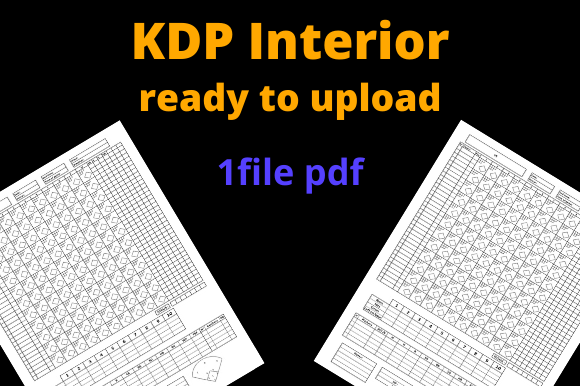
When evaluating a scorebook template for publication or personal use, the layout dictates the user experience. This specific 8.5 x 11-inch format provides ample horizontal space, which is critical for legibility during fast-paced games. The design accommodates three players per page with ten distinct position slots, allowing for comprehensive tracking without visual clutter. This density strikes a balance between detail and readability, ensuring that handwritten notes remain distinct even in varying lighting conditions at outdoor diamonds.
Beyond player tracking, the inclusion of dedicated sections for pitchers and umpires adds a layer of professional utility often missing in generic templates. Pitchers require specific columns for innings pitched, strike counts, and earned runs, while umpire notation helps maintain an official record of officiating assignments. These elements transform a simple notebook into a functional archival tool. For the KDP publisher, these thoughtful design choices reduce customer returns and negative reviews associated with unusable or overly simplistic interiors.
Diverse Applications Across User Groups
The value of this scorebook shifts depending on who is holding it. Understanding these distinct perspectives helps clarify whether this asset aligns with your current objectives.
- Self-Publishers and Entrepreneurs: For those building a catalog of sports-related journals, time-to-market is often the primary constraint. Creating a 120-page interior from scratch involves significant graphic design hours and formatting validation. A ready-to-upload PDF eliminates the technical friction of margin calculations and bleed settings, allowing entrepreneurs to focus on keyword research, cover design, and marketing strategies rather than interior typesetting.
- Coaches and Team Administrators: Reliability and standardization take precedence over novelty. Coaches need a book that looks professional when handed to parents or assistants. The consistent 8.5 x 11 size fits easily into equipment bags and clipboards, while the standardized layout ensures that any volunteer can step in to keep score without needing a tutorial. The 120-page count typically covers multiple seasons or an entire tournament schedule, reducing the administrative burden of frequent replacements.
- Educators and Youth Program Directors: In educational settings, scorebooks serve as teaching tools for statistics, attention to detail, and historical record-keeping. A clean, uncluttered interface helps students learn the symbols and flow of baseball scoring without being overwhelmed by complex graphics. The spacious format allows for larger handwriting, making it accessible for younger users developing their fine motor skills and understanding of the game’s mechanics.
- Gift Givers and Hobbyists: For anniversaries or Christmas gifts, presentation matters as much as function. A professionally bound scorebook signals thoughtfulness and respect for the recipient's passion. Unlike digital apps, a physical book offers a tactile connection to the sport. Hobbyists appreciate the archival quality of paper records, creating a tangible history of seasons past that can be revisited decades later.
Evaluating Quality and Technical Specifications
Not all low-content interiors are created equal. When selecting a Baseball Scorebook for KDP, several quality indicators determine long-term usefulness and commercial viability. The file format is paramount; receiving a high-resolution PDF ready for upload ensures that lines remain crisp and text stays sharp after printing. Blurry grids or misaligned margins can render a scorebook useless, so verifying the technical integrity of the source file is essential before committing to a project or purchase.
Flexibility within the structure also plays a role in user satisfaction. While the template specifies three players and ten positions, the best designs leave adequate white space for custom annotations. Experienced scorekeepers often develop personal shorthand or need room to note weather conditions, substitutions, or memorable plays. A rigid template that maximizes every millimeter for data entry can feel restrictive, whereas a balanced layout invites engagement and adaptation.
Strategic Considerations for Publishers
For creators entering the baseball niche, differentiation is key. Using a standard 120-page scorebook provides a solid foundation, but success often depends on how you position the final product. Consider the following strategic angles:
- Niche Targeting: Instead of a generic "Baseball Scorebook," tailor your metadata and cover design to specific sub-niches such as "Little League Tournament Tracker," "Softball Statistics Journal," or "Vintage Baseball Scoring Log." The interior supports these variations, but your external packaging determines discoverability.
- Bundling Value: Enhance the perceived value by including instructional pages at the front of the book. A guide on traditional scoring symbols or a glossary of baseball terms transforms a blank journal into an educational resource. This addition appeals to beginners and justifies a higher price point.
- Seasonal Relevance: Align your publishing schedule with the baseball calendar. Launching new editions or marketing pushes in late winter captures the preseason planning audience, while holiday-focused promotions leverage the gift-giving potential mentioned earlier.
Making the Right Choice for Your Needs
Determining if this specific 120-page asset matches your goals requires honest assessment of your priorities. If you are a publisher seeking rapid deployment and technical compliance, the ready-to-upload PDF format offers immediate efficiency. However, if you require highly specialized statistical tracking for collegiate or professional analysis, you may need to customize the interior further or seek advanced analytics software instead.
For consumers and gift-givers, consider the recipient's relationship with the game. A casual fan might prefer a smaller, pocket-sized booklet, while a dedicated scorekeeper will appreciate the expansive 8.5 x 11 format and comprehensive pitcher/umpire logs. The physical dimensions and page count should match the intended usage environment; stadium seating favors portability, while dugout or desk scoring benefits from larger formats.
Ultimately, the Baseball Scorebook for KDP serves as a versatile bridge between analog tradition and modern publishing. Whether you are preserving family memories, building a passive income stream, or organizing a youth league, the right tool enhances the experience. By focusing on usability, technical quality, and audience-specific relevance, you ensure that the final product delivers genuine value beyond its blank pages. The combination of thoughtful layout, appropriate sizing, and immediate availability makes this resource a practical solution for anyone invested in the accurate and enduring documentation of baseball.