35 Fun Maze Puzzles for Activity Books: A Strategic Asset for KDP Publishers
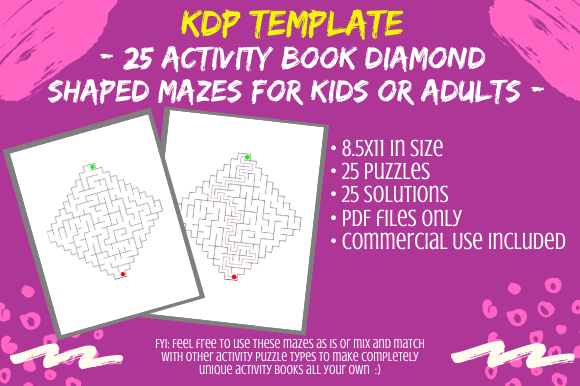
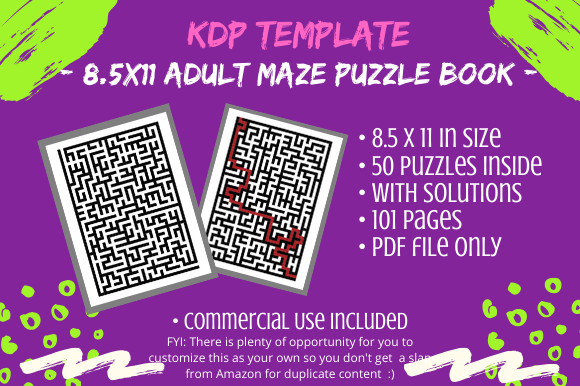
For self-publishers and digital product creators, efficiency is often the difference between a stagnant portfolio and a scalable business. The "35 Fun Maze Puzzles for Activity Books" resource serves as more than just a collection of recreational graphics; it is a foundational interior template designed specifically for Amazon KDP and similar print-on-demand platforms. This asset provides an adult-level maze puzzle book interior formatted at 8.5×11 inches with no bleed, addressing specific technical requirements that often stall new publishers. However, acquiring this digital product is merely the first step. The strategic value lies not in the puzzles themselves, but in how you leverage, modify, and integrate them into a broader publishing strategy to create unique, marketable activity books.
Understanding the Technical Specifications and Workflow
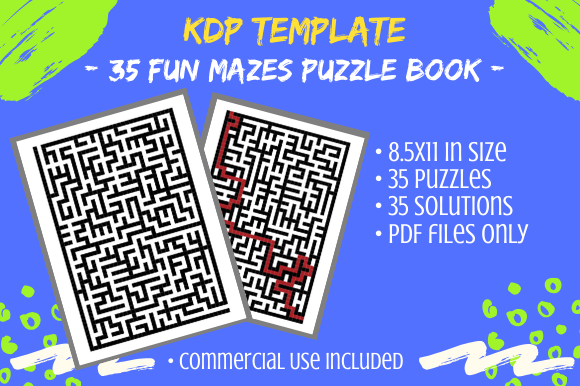
Before integrating these assets into your production line, it is essential to understand the technical parameters provided. The package includes two PDF files containing 35 pages of maze puzzles and a separate file for solutions. The 8.5×11 inch dimension is the industry standard for adult activity books, offering ample space for complex designs without increasing printing costs significantly. The "no bleed" specification is particularly advantageous for beginners or those prioritizing speed; it eliminates the risk of critical content being trimmed during the binding process, reducing rejection rates during KDP’s automated review system.
As this is a digital download intended for editing, workflow management becomes a primary consideration. It is strongly recommended to create a duplicate copy of the original files immediately upon download. Preserving the master file ensures you always have a pristine source for future projects or recovery if an edit goes wrong. While the files are ready for use, utilizing tools like Smallpdf or other online converters can facilitate format changes if your design software requires editable vector formats or different image resolutions. This flexibility allows you to adapt the raw material to various software ecosystems, from Canva to Adobe InDesign, depending on your existing tech stack.
Mitigating Duplicate Content Risks Through Customization
The most significant risk when using pre-made interiors like "35 Fun Maze Puzzles for Activity Books" is the potential for duplicate content penalties. Amazon’s algorithm prioritizes unique customer experiences, and uploading unaltered templates can lead to suppressed visibility or account warnings. To mitigate this, you must approach the template as a skeleton rather than a finished body. Strategic customization transforms a generic asset into proprietary intellectual property.
Effective differentiation goes beyond changing the title page. Consider the following tactical modifications:
- Structural Reorganization: Do not publish the mazes in the order provided. Shuffle the sequence to create a unique flow that differs from other users of the same template.
- Content Integration: Mix the mazes with complementary activities such as word searches, sudoku, trivia, or inspirational quotes. This hybrid approach increases perceived value and distinguishes your book from single-format competitors.
- Visual Branding: Incorporate custom clip art, borders, or thematic elements that align with a specific niche. A maze book targeted at nurses should look visually distinct from one targeted at retirees or teachers.
- Narrative Elements: Add introductions, instructions, or even a storyline that connects the puzzles. Contextualizing the activity creates a cohesive user experience that standalone templates lack.
By treating the 35 puzzles as modular components rather than a fixed product, you protect your publishing account while simultaneously enhancing the quality of the final output.
Strategic Positioning and Niche Selection
Possessing high-quality interiors is necessary but insufficient for sales. The "35 Fun Maze Puzzles for Activity Books" asset must be deployed within a clear market positioning strategy. Adult maze enthusiasts are not a monolith; they segment into distinct psychographics with specific needs. Some seek cognitive maintenance, others desire stress relief, and some want travel-friendly entertainment.
When planning your book, define the specific problem this collection solves for your target audience. If positioning for cognitive health, pair the mazes with facts about neuroplasticity or memory tips. If targeting stress relief, ensure the difficulty curve is balanced to induce flow states rather than frustration. The included adult-level complexity is a key selling point, but only if communicated effectively through your cover design, title, and description. Your marketing copy should articulate why these specific 35 puzzles offer a superior experience compared to free alternatives or lower-quality competitors.
Furthermore, consider the long-term brand architecture. Will this be a standalone release or part of a series? Using this template as a consistent baseline allows for faster production of subsequent volumes, provided each installment introduces enough variation to justify a separate purchase. Consistency in formatting and quality builds reader trust, while variation in theme and supplementary content prevents brand fatigue.
Operational Efficiency vs. Creative Integrity
For entrepreneurs and freelancers, time is a finite resource. Pre-made interiors like this one dramatically reduce production time, allowing for rapid testing of new niches. However, there is a tension between operational efficiency and creative integrity. Relying solely on speed can result in a catalog of low-effort products that fail to convert.
The optimal approach balances automation with intentional design. Use the template to handle the heavy lifting of puzzle generation and layout, then invest your creative energy in the elements that drive conversion: the cover, the hook, and the unique value proposition. Think of the 35 mazes as the engine of a car; it is reliable and functional, but the paint job, interior comfort, and destination determine whether someone buys the vehicle.
Additionally, consider the role of this asset in your broader product ecosystem. Can these mazes serve as lead magnets? Could individual puzzles be repurposed for social media engagement or email newsletters? Maximizing the utility of a single digital purchase improves return on investment and creates multiple touchpoints with potential customers. This multi-channel leverage is where practical business strategy intersects with creative publishing.
Evaluating Quality and User Experience
Before publishing, conduct rigorous quality assurance. Even professionally designed templates can contain errors or formatting quirks that become apparent only after manipulation. Print a physical proof copy to verify that the no-bleed margins are sufficient and that the solution keys match the reorganized puzzle order. Nothing erodes trust faster than a puzzle book with missing solutions or misaligned pages.
User experience also extends to the difficulty progression. Review the 35 puzzles critically. Are they truly adult-level? Is there adequate variety in maze topology to maintain engagement throughout the book? If certain puzzles feel repetitive or too simple, replace or supplement them. The goal is to curate an experience, not just fill pages. Your reputation as a publisher depends on the consistency of quality across every page, making editorial oversight just as important as graphic design.
Making Informed Decisions About Pre-Made Assets
Ultimately, "35 Fun Maze Puzzles for Activity Books" is a tool. Its effectiveness depends entirely on the skill and intention of the user. Before relying on this or similar assets, assess your current capabilities and gaps. If you lack design skills but have strong marketing acumen, this template fills a critical production gap. If you are already proficient in puzzle creation, evaluate whether the time saved justifies the cost and the effort required to differentiate the content.
Avoid the trap of viewing pre-made interiors as a passive income shortcut. They are accelerants, not autopilots. Successful publishers use these resources to streamline operations so they can focus on higher-value activities like market research, community building, and brand development. By approaching this asset with a strategic mindset—prioritizing customization, understanding technical constraints, and aligning with clear market needs—you transform a simple PDF download into a sustainable component of your publishing business.
The decision to use this template should be grounded in realistic expectations. It will not guarantee bestseller status, but it will provide a professional-grade foundation upon which unique, valuable products can be built. In the competitive landscape of KDP activity books, that foundation is often the difference between amateur efforts and professional publications. Use it wisely, edit it thoroughly, and always keep the end-user’s experience at the center of your publishing decisions.